
How a news site reaches millions of readers without paying for traffic
The technical SEO, publishing cadence and internal-linking habits behind a content network with millions of monthly readers.
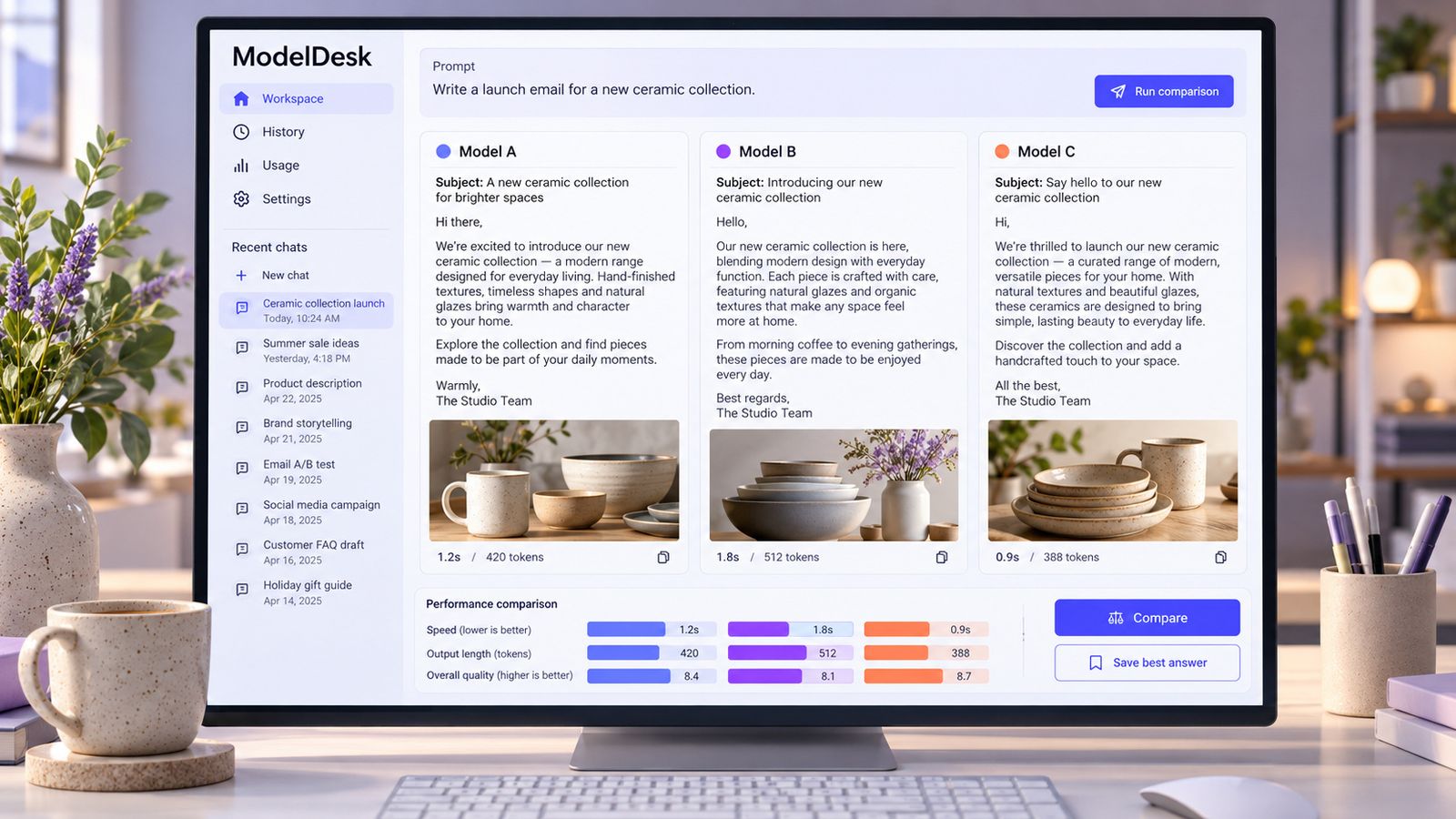
Eighteen months ago, most teams building with AI picked one model and wired it into everything. That made sense when there was a clear leader. It doesn't anymore. Today, different models win at different jobs — one writes better long-form copy, another is faster and cheaper for classification, a third handles code or structured output more reliably. Prices move constantly, and so does quality.
If your product is hard-wired to one provider, every one of those shifts becomes a migration project. If it's built on a routing layer, they become a configuration change.
A routing layer sits between your application and the model providers. Your product sends a request with some context — the task type, the user's plan, latency requirements — and the router decides which model handles it. In the multi-model AI workspace we built, routing decisions weigh three things:
Every provider has outages, rate limits and the occasional bad deploy. A router should treat failure as normal: retry once, then fall back to the next-best model for that task, and log it. Users rarely notice. Without fallbacks, one provider's bad afternoon becomes your support queue.
AI costs creep. A feature that costs a fraction of a rupee per use in testing can become a serious line item at scale. We meter usage at the token level and surface it per user, per team and per model from day one — not as an afterthought when finance starts asking questions.
The biggest mistake we see is evaluating models once, at the start of a project, and never again. Treat evaluations like tests: version them, run them on every model change, and fail the deploy if quality drops below your threshold.
You don't need a complex system on day one. Start with a thin abstraction over your model calls, log every request with its cost and latency, and add a second provider for one task. Once that works, routing becomes a natural next step instead of a rewrite.
If you're planning an AI feature and want to avoid vendor lock-in from the start, talk to our AI team.
Field notes from building AI products, engineering publishing backends and running growth for our own brands and our clients'.
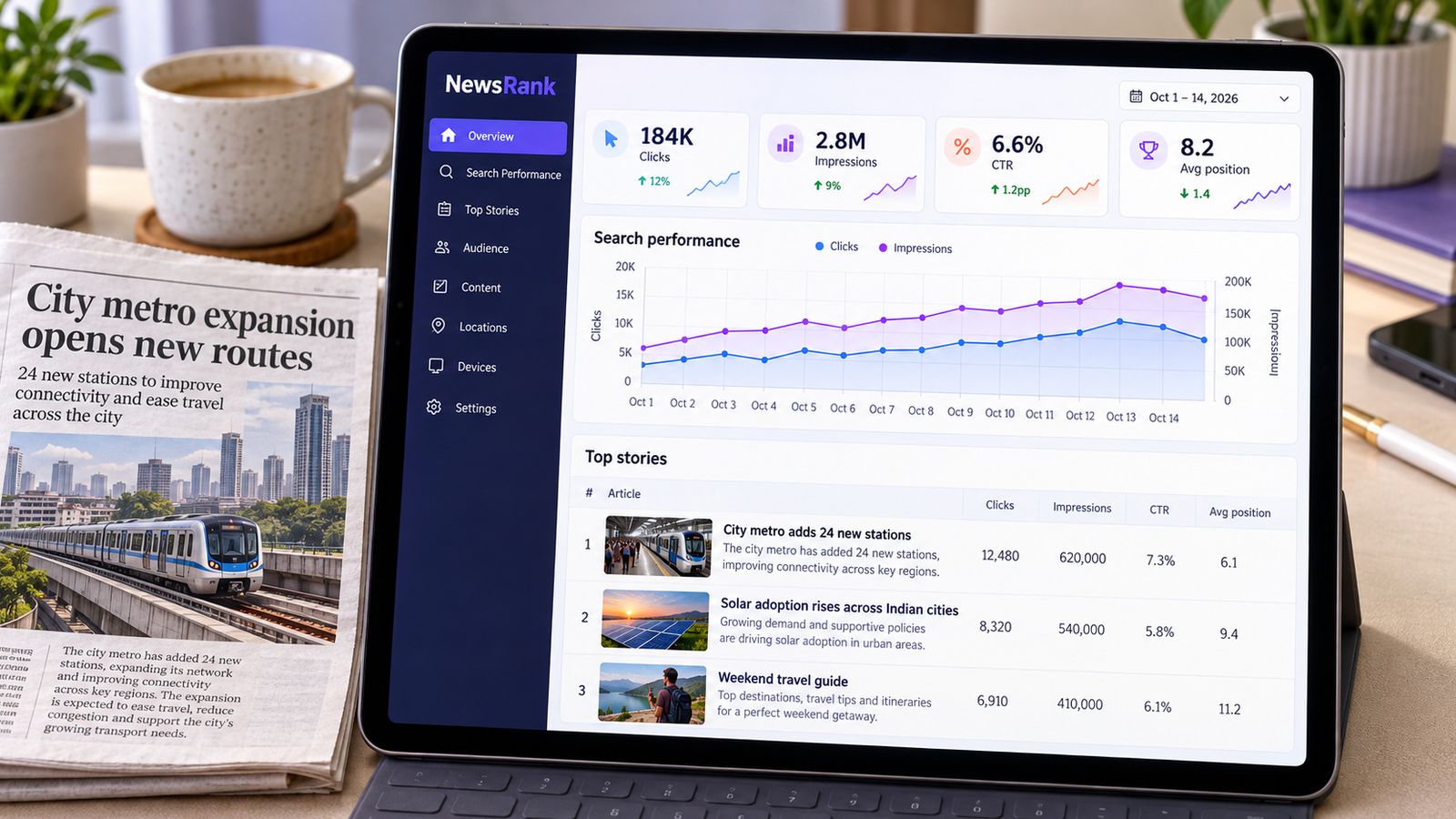
The technical SEO, publishing cadence and internal-linking habits behind a content network with millions of monthly readers.
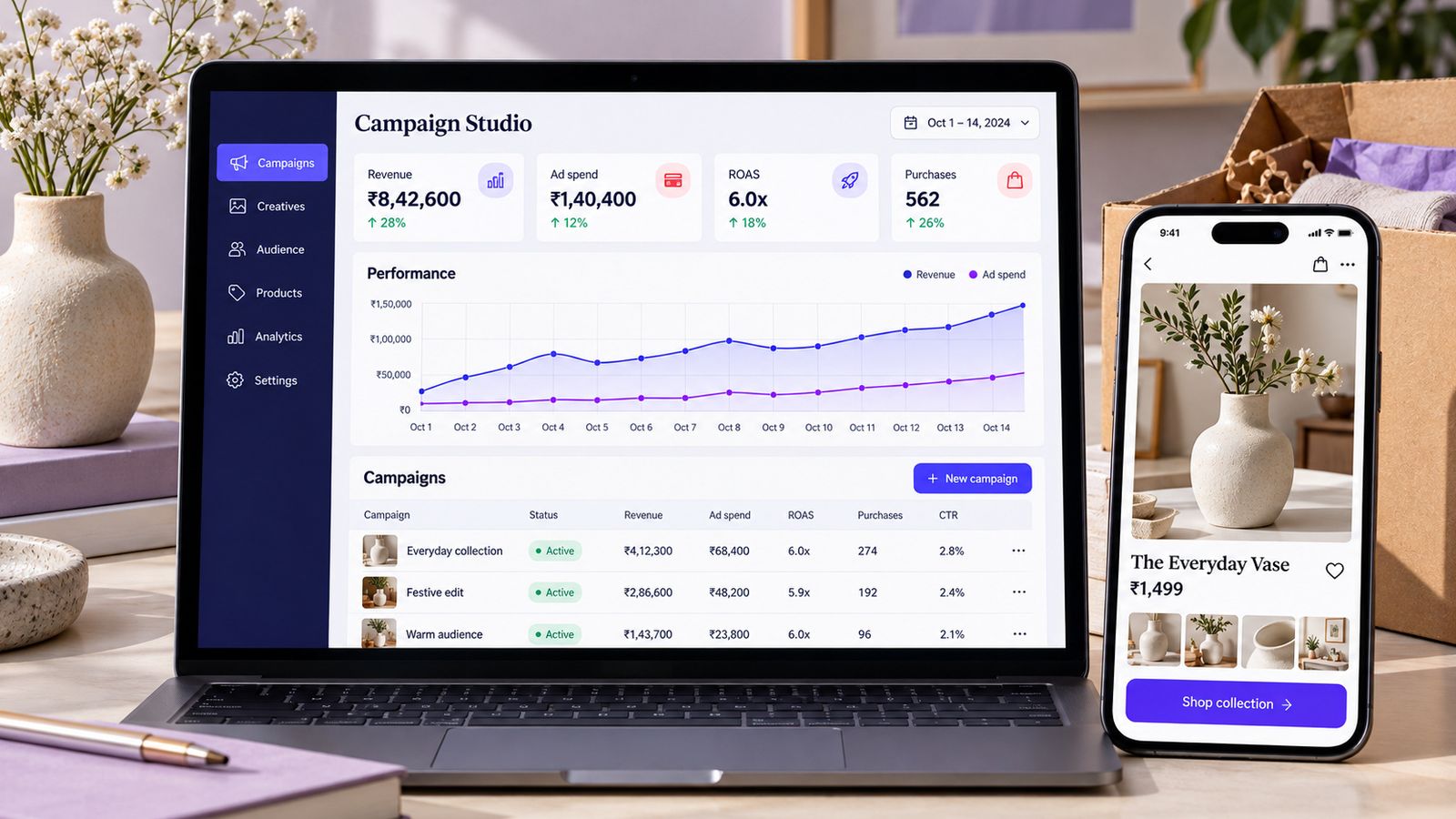
A practical framework for scaling ad budgets on real numbers — contribution margin, payback period and creative fatigue.
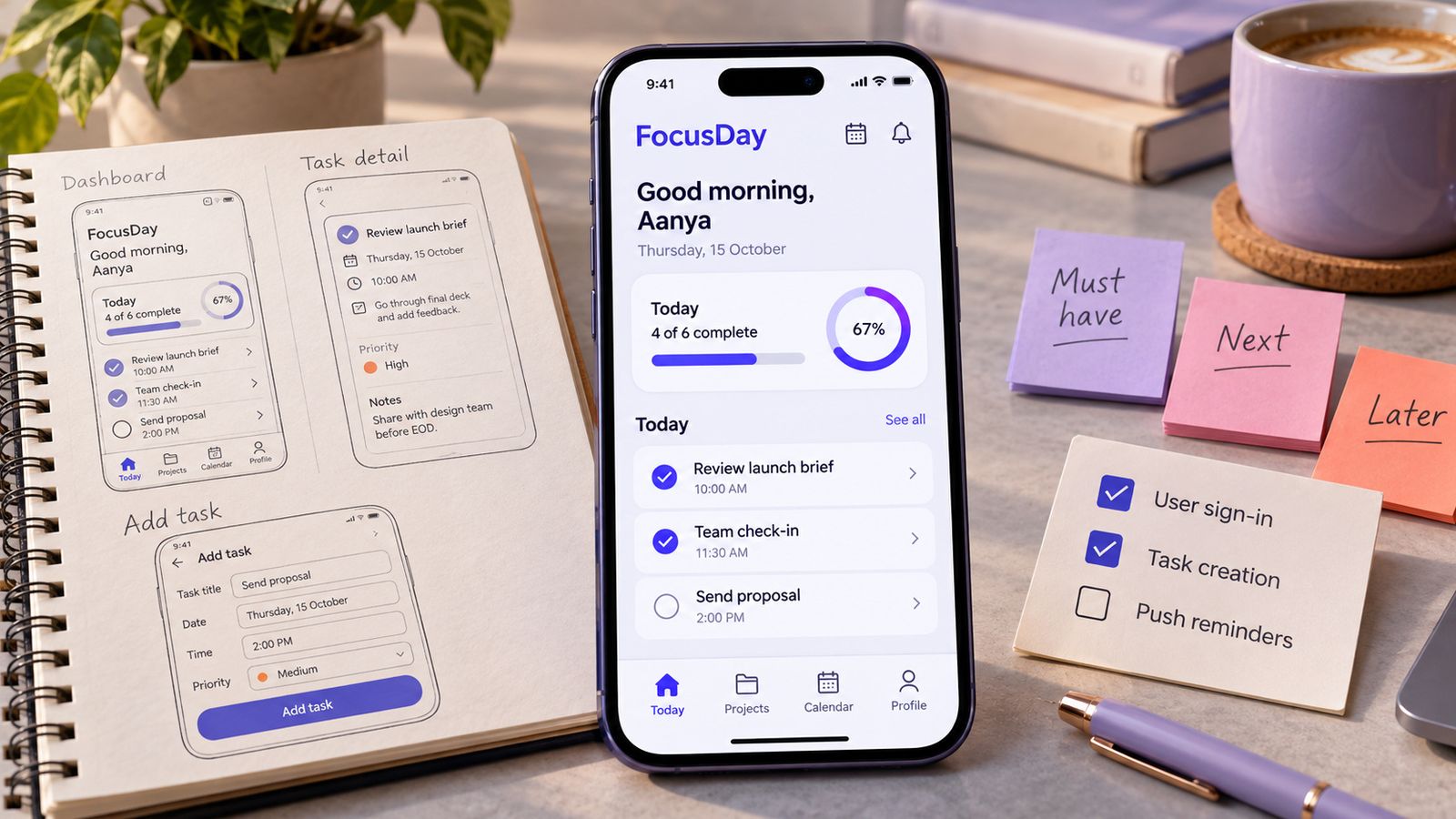
Most MVPs are over-built. These five questions help founders find the smallest version that still proves the business.
Tell us what you're building. You'll get a reply from a senior engineer — not a sales script — within one business day, with a suggested approach and a ballpark.
Mon–Sat, 9:00 am – 8:00 pm IST
4th Floor, Cyber Towers,
HITEC City, Madhapur,
Hyderabad, Telangana 500081
MG Road, Labbipet,
Vijayawada,
Andhra Pradesh 520010
Overlapping hours with
IST, GST, GMT and EST
— Mon to Sat, 9am–8pm IST